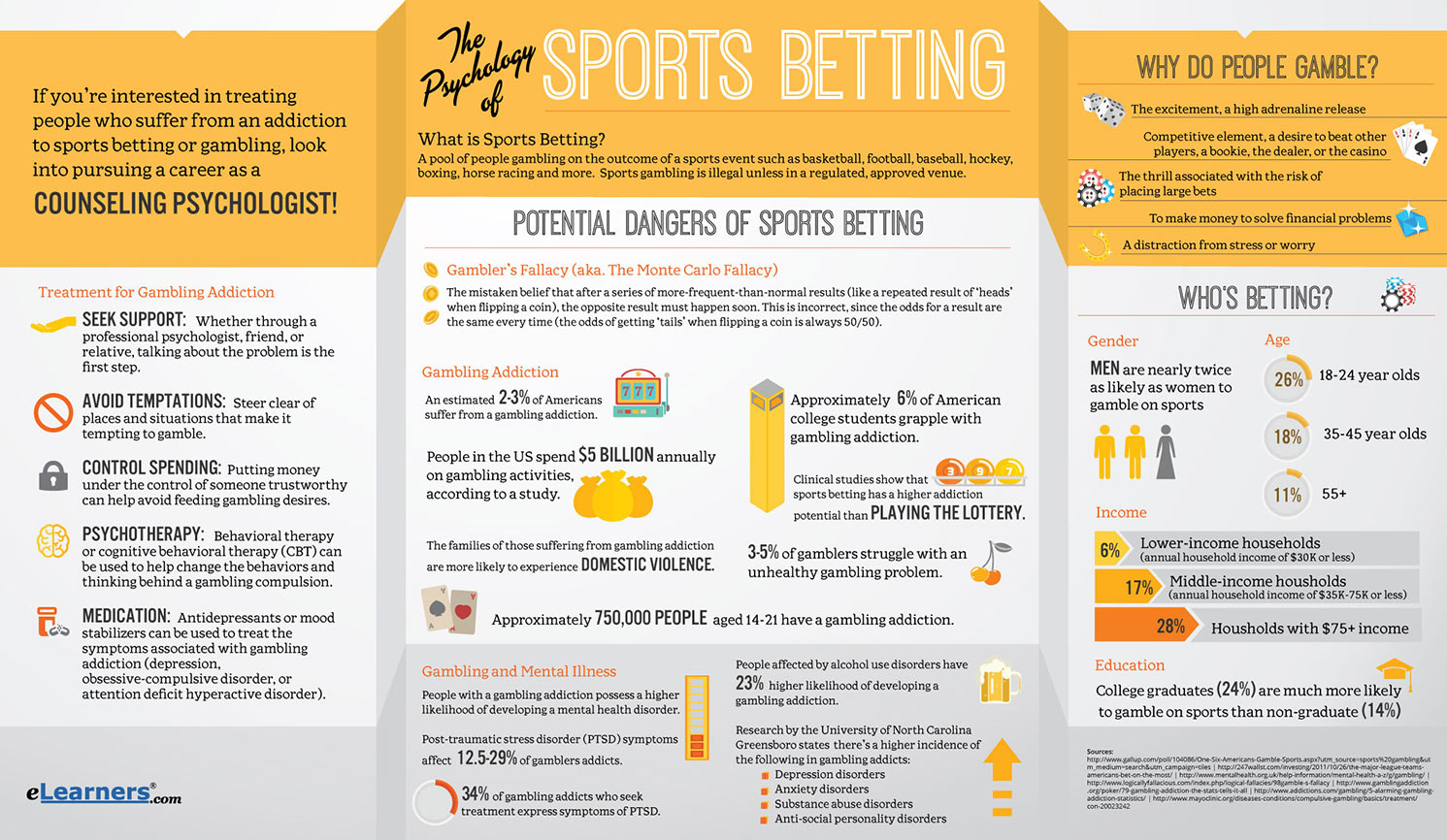
My Insights: Exploring the Psychology of Sports Betting
Is it Worth Playing the 'Psychology of Sports Betting'?
Honestly? It depends. Understanding the mental side of betting can give you an edge, but it’s not a magic bullet. If you’re aware of how your mind works—especially your biases—you can make smarter decisions. But beware: psychology can also lead you astray if you’re not careful.
Many players overlook this aspect. They focus on odds, stats, and strategies. Yet, the real challenge often lies within our own minds. So, should you dive into this? Absolutely, but with caution.
Pros of Understanding the Psychology of Sports Betting
- Better Self-Control: Knowing how emotions influence your bets helps you stay disciplined. Reduces impulsive moves during hot streaks or after losses.
- Improved Decision-Making: Recognizing cognitive biases like overconfidence or gambler’s fallacy means you can avoid common pitfalls.
- Enhanced Bankroll Management: When you understand psychological triggers, it’s easier to stick to your staking plan. This helps preserve your funds.
- Long-Term Success: Mental resilience is key. Betting is as much about mind as it is about numbers.
Hidden Downsides of Focusing on Psychology
- Overthinking: Sometimes, analyzing your mind too much can lead to paralysis. Overanalyzing decisions can cause delays and missed opportunities.
- Emotional Fatigue: Constant self-monitoring drains energy. It’s exhausting to keep your emotions in check after a long losing streak.
- False Confidence: Believing you understand your biases can sometimes make you overconfident. This might lead to risking more than you should.
- Neglecting Stats: Focusing too much on psychology may make you ignore crucial data like RTP or volatility. Balance is key.
Trust Score
| Criteria | Rating | Verdict |
|---|---|---|
| License | 8 | Usually reliable |
| SSL | 9 | Secure connection |
| Support | 7 | Good, but can improve |
When choosing a betting site, always check their license and security measures. For instance, reputable interac casino sites canada usually score well on trust metrics.
Safety Tips
- Set Limits: Define clear win/loss boundaries before betting.
- Stay Rational: Don’t chase losses—your emotions are your worst enemy.
- Keep Records: Track your bets to identify psychological pitfalls.
- Beware of Biases: Watch out for gambler’s fallacy or confirmation bias skewing your judgment.
- Use Tools: Consider mental training or even apps that help monitor your emotional state.
Common Mistakes Beginners Make
- Ignoring Psychology: They focus solely on odds without understanding their own mental triggers.
- Chasing Losses: Giving in to frustration leads to reckless wagers.
- Overconfidence: Believing they know more than they do, especially after a few wins.
- Not Setting Limits: Letting emotions dictate their betting size.
- Neglecting Bankroll: Betting more than they can afford, ignoring the importance of proper wager sizing.
- To avoid these errors, educate yourself on psychological factors. Understand how biases affect your judgment. Read more about how to manage betting emotions and avoid common pitfalls.
Summary
In my experience, understanding the psychology behind sports betting offers a real advantage. But it’s not a shortcut to riches. It’s about self-awareness and discipline. Combining this knowledge with solid strategies—like analyzing RTP and volatility—can improve your results.
Remember, betting isn’t just about luck. It’s about your mind. Be honest with yourself. Stay disciplined. And don’t forget to check out the best Gates of Olympus promo code New Zealand for extra chances to win.