Texas Hold'em Rules: The Ultimate Guide to Playing Poker
Introduction to Texas Hold'em Poker Rules
Understanding the Texas Hold'em rules is the first step to mastering the world's most popular poker game. Whether you're a complete beginner or looking to solidify your foundational knowledge, this comprehensive guide will walk you through every aspect of how to play Texas Hold'em. From the basic flow of a hand to advanced strategic concepts, we cover the essential regulations and gameplay mechanics that govern this thrilling card game. The rules of Texas Hold'em poker are straightforward to learn but offer a lifetime of strategic depth, making it a favorite in casual home games, online platforms, and prestigious tournaments worldwide.
The Basic Structure and Objective of Texas Hold'em
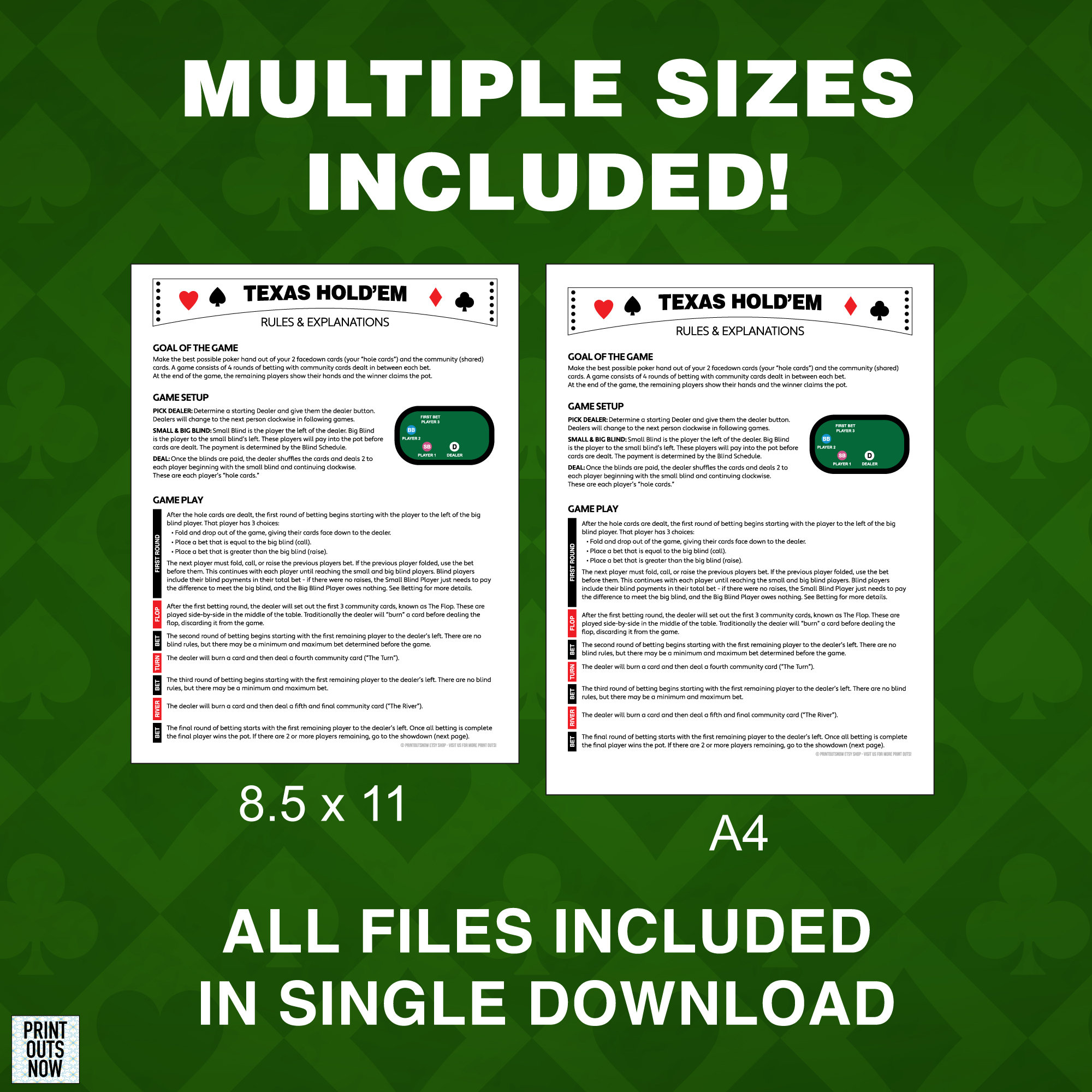
The fundamental objective in Texas Hold'em is straightforward: win chips by forming the best possible five-card poker hand using any combination of the two private cards dealt to you (hole cards) and the five community cards placed face-up on the table. You can also win by making all other players fold their hands before the showdown. A game unfolds over four betting rounds, with community cards revealed progressively.
Player Positions and the Dealer Button
Position is a critical strategic element in Hold'em. The game uses a disc called the "dealer button" to indicate the nominal dealer for the hand. The two players to the left of the button are required to post forced bets called the small blind and big blind, which initiate the betting action. Positions rotate clockwise after each hand, ensuring fairness. Playing "in position" (acting later in the betting order) is a significant advantage, a key strategic point beyond the basic Texas Holdem game rules.
The Setup: Blinds and the Deal
Before any cards are dealt, the small blind and big blind are posted. The dealer then shuffles a standard 52-card deck and deals two cards face down to each player, starting with the small blind. These are your hole cards or "pocket cards." The first betting round, known as Pre-flop, begins with the player to the left of the big blind.
Step-by-Step Breakdown of Betting Rounds
The core of Texas Hold'em gameplay happens across four distinct stages, each with its own betting round. Understanding this sequence is crucial to grasping the official Texas Hold'em rules.
1. Pre-flop: The First Betting Round
After receiving their hole cards, players make their first decision. Action starts with the player to the left of the big blind (this position is called "under the gun"). Players have the standard options:
- Fold: Discard their hand and forfeit any interest in the pot.
- Call: Match the current bet amount (the big blind to start).
- Raise: Increase the current bet amount.
2. The Flop: Second Betting Round
After the pre-flop betting concludes, the dealer "burns" one card (discards it face down) and then deals three community cards face up in the middle of the table. This is called the flop. A new betting round begins, starting with the first active player to the left of the dealer button. In this and all subsequent rounds, players have the additional option to Check (decline to bet while retaining their hand) if no bet has been made yet.
3. The Turn: Third Betting Round
Another card is burned, and a fourth community card is dealt face up. This card is called the turn or "fourth street." A third betting round takes place, but now the minimum bet size usually doubles (in games with a fixed betting structure like $1/$2, bets on the turn and river are in increments of $2).
4. The River: Final Betting Round
The dealer burns a final card and deals the fifth and last community card, known as the river or "fifth street." The final betting round occurs, giving players their last chance to bet, raise, or bluff. After this round, if more than one player remains, we proceed to the showdown.
Showdown and Hand Ranking in Hold'em
The showdown is the climax of the hand. Players reveal their hole cards, and the best five-card poker hand, formed from any combination of their two private cards and the five community cards, wins the entire pot. It is vital to memorize the official poker hand rankings:
- Royal Flush: A, K, Q, J, 10, all the same suit.
- Straight Flush: Five consecutive cards of the same suit.
- Four of a Kind: Four cards of the same rank.
- Full House: Three of a kind plus a pair.
- Flush: Any five cards of the same suit, not in sequence.
- Straight: Five consecutive cards of mixed suits.
- Three of a Kind: Three cards of the same rank.
- Two Pair: Two different pairs.
- One Pair: Two cards of the same rank.
- High Card: The highest card when no other hand is made.
Betting Structures: Limit, No-Limit, and Pot-Limit
The rules for Texas Hold'em poker can vary based on the betting structure, which dramatically impacts strategy.
No-Limit Texas Hold'em (NLHE)
The most popular format. Players can bet any amount of their chips at any time, including going "all-in." This structure enables bold bluffs and dramatic swings.
Pot-Limit Texas Hold'em (PLHE)
Players can bet up to the current size of the pot. This creates a more controlled, mathematical environment than No-Limit.
Fixed-Limit Texas Hold'em (FLHE)
Betting and raising amounts are fixed. For example, in a $2/$4 Limit game, all bets and raises are exactly $2 on the flop and $4 on the turn and river. This format emphasizes patience and precise hand selection.
Essential Texas Hold'em Strategy Tips for Beginners
Once you've internalized the basic Texas Hold'em regulations, you can focus on strategy. Here are foundational tips to improve your game immediately.
Starting Hand Selection
Not all hands are created equal. Playing too many hands is the most common beginner mistake. Be selective and prioritize strong starting hands like high pairs (A-A, K-K, Q-Q), high suited connectors (A-K suited, K-Q suited), and other premium holdings. Your position should heavily influence your choices.
The Importance of Position
Acting after your opponents gives you more information. You can play a wider range of hands from late positions (like the dealer button) and should generally play more cautiously from early positions.
Reading the Board and Your Opponents
Always analyze the community cards for possible draws (flushes, straights) and strong made hands. Pay attention to your opponents' betting patterns—are they aggressive or passive? Do they bet strongly on the draw? This information is as valuable as the cards you hold.
Bankroll Management
This is a non-negotiable rule for long-term success. Only play at stakes where a normal loss won't impact your finances. A common guideline is to have at least 20-50 buy-ins for the level you are playing. Managing your funds wisely is as important as knowing the Hold'em poker guidelines. If you enjoy casino games, you might also explore other forms of entertainment like the popular gioco di slot Big Bass Bonanza, but always remember to gamble responsibly.
Frequently Asked Questions About Texas Hold'em Rules
Here are answers to some of the most common queries players have about the Texas Hold'em regulations.
What happens if the dealer makes a mistake, like exposing a card?
Specific house rules apply, but generally, if a card is exposed prematurely, it is treated as a "burn" card, and the next card in the deck is used. The exposed card is usually shown to all players and then placed out of play.
Can I use both, one, or none of my hole cards to make my hand?
Yes! You must make the best possible five-card hand using any combination of your two hole cards and the five community cards. You can use both, one, or even none (playing "the board").
What is a "kicker" and when does it matter?
A kicker is the side card that isn't part of a made pair or set. It determines the winner when players have the same pair or two pair. For example, with a board of 10-10-5-3-2, Player A has A-10 and Player B has K-10. Both have three tens, but Player A's Ace kicker wins.
What's the difference between a cash game and a tournament?
In cash games, chips represent direct monetary value, and you can leave at any time. In tournaments, players buy in for a set amount and receive a stack of tournament chips. Play continues until one player has all the chips, with prizes paid to the top finishers. Tournament play involves increasing blinds and strategic adjustments.
Is it legal to "string bet"?
No. A string bet is when a player puts out a call amount and then goes back to their stack to raise without verbally declaring "raise" first. To avoid this, either declare your action verbally or put the full amount of the bet/raise out in one motion.
How do I claim a bonus to practice playing?
Many online platforms offer welcome bonuses to new players. It's important to read the terms and conditions, as these often require playing a certain number of hands. You can often find the latest offers by checking pages dedicated to promotions like neue casino bonus 2025.
What are the most common mistakes made by new players?
Beyond playing too many hands, common errors include: ignoring position, becoming emotionally attached to a hand (not folding when you should), telegraphing hand strength through betting patterns, and failing to adjust to different opponents.
Conclusion: Your Journey to Mastering Texas Hold'em
Mastering the Texas Hold'em rules is your gateway to one of the most rewarding and strategically deep card games ever invented. This guide has provided you with a solid foundation, from the basic sequence of play and hand rankings to fundamental strategic concepts. Remember, proficiency comes with practice. Start by applying these poker rules for Texas Holdem in low-stakes games or with friends. Observe, learn from your mistakes, and continually refine your approach. The blend of psychology, probability, and skill is what makes Texas Hold'em perpetually captivating. Now that you understand the official rules of Texas Hold'em, shuffle up and deal – your seat at the table awaits.