How to Play Roulette and Win: A Strategic Guide to the Wheel of Fortune
Introduction: Mastering the Art of the Roulette Wheel
Learning how to play roulette and win is a quest that has captivated casino enthusiasts for centuries, blending chance with potential strategy. While roulette is fundamentally a game of luck, understanding its mechanics, odds, and strategic betting approaches can significantly enhance your experience and improve your chances of walking away a winner. This comprehensive guide will demystify the roulette table, explain the different game variations, and explore time-tested methods that can help you manage your bankroll and make informed decisions. Whether you're a newcomer eager to learn the ropes or a seasoned player looking to refine your tactics, this deep dive into roulette strategy provides the essential knowledge you need to approach the wheel with greater confidence and a smarter game plan.
Understanding the Roulette Basics: Table Layout and Bet Types
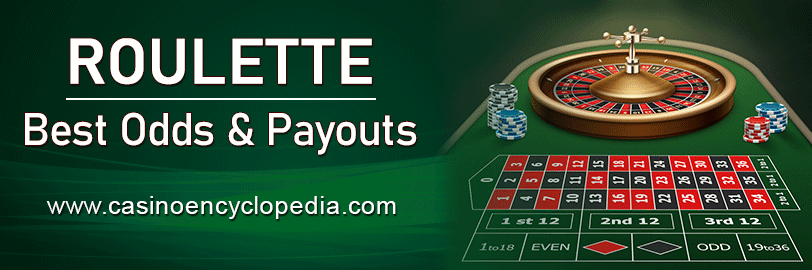
Before you can develop a winning roulette strategy, you must first master the fundamentals of the game. The roulette table consists of a wheel and a betting layout. The wheel contains numbered pockets, colored either red or black, with a single green zero (or double zero in American roulette). The betting grid allows you to place chips on various numbers and groups of numbers.
Inside Bets vs. Outside Bets: Your Core Options
All roulette wagers fall into two primary categories: inside and outside bets. Inside bets are placed on specific numbers or small groups of adjacent numbers on the inner section of the layout. They offer higher payouts but have lower odds of winning. Outside bets cover larger groups of numbers, such as red/black, odd/even, or dozens, and offer higher probability wins with smaller payouts.
Common Roulette Betting Options
- Straight Up: A bet on a single number. Payout: 35 to 1.
- Split Bet: A bet on two adjacent numbers. Payout: 17 to 1.
- Street Bet: A bet on three numbers in a horizontal row. Payout: 11 to 1.
- Corner Bet: A bet on four numbers that meet at a corner. Payout: 8 to 1.
- Red/Black: A bet on all red or all black numbers. Payout: 1 to 1.
- Odd/Even: A bet on all odd or all even numbers. Payout: 1 to 1.
- High/Low: A bet on numbers 1-18 (low) or 19-36 (high). Payout: 1 to 1.
Choosing Your Game: European vs. American Roulette
A critical step in your journey to winning at roulette is selecting the right wheel. The two most common versions are European and American roulette, and the difference is crucial for your expected return.
The House Edge: The Single Most Important Number
The house edge is the mathematical advantage the casino holds over the player. In European Roulette, the wheel has 37 pockets: numbers 1 through 36 (alternating red and black) and a single green zero. This gives the house a 2.70% edge on most bets. American Roulette wheels have 38 pockets: the extra double zero (00) increases the house edge to 5.26% on most bets. Therefore, for a player seeking better odds, European roulette is always the superior choice.
Proven Roulette Strategies and Betting Systems
While no system can guarantee a win due to the game's random nature, structured betting systems can help manage your money and provide a framework for play. These systems are primarily applied to even-money outside bets (like red/black or odd/even).
Progressive Betting Systems
Progressive systems involve changing your bet size based on the previous outcome. They aim to capitalize on winning streaks or recover losses.
- The Martingale System: The most famous strategy. After a loss, you double your bet on the same even-money wager. The theory is that the first win recovers all previous losses and yields a profit equal to the original stake. It requires a substantial bankroll and may hit table limits.
- The Fibonacci System: A sequence-based strategy (1, 1, 2, 3, 5, 8...). You move one step forward in the sequence after a loss and two steps back after a win. It is less aggressive than the Martingale.
- The D'Alembert System: A more conservative progression. You increase your bet by one unit after a loss and decrease it by one unit after a win, based on the theory of equilibrium.
Non-Progressive and Money Management Strategies
These approaches focus on structuring your session rather than chasing losses.
- The Paroli System (Reverse Martingale): A positive progression system. You double your bet after a win, aiming to ride a hot streak for three consecutive wins before resetting to the base unit.
- Fixed Wagering with a Win Goal/Loss Limit: The most disciplined approach. You decide on a fixed bet amount, a target profit for the session, and a strict loss limit. Once either limit is hit, you walk away.
For those beginning their strategic journey, exploring a dedicated resource like a roulette gewinnstrategie für anfänger can provide a solid foundation in these methods.
Practical Tips to Maximize Your Roulette Success
Beyond betting systems, adopting smart gaming habits is essential for anyone serious about how to win at roulette. These practical tips focus on discipline, observation, and informed play.
Bankroll Management: The Key to Longevity
Your bankroll is your ammunition. Never bet money you cannot afford to lose. Divide your total bankroll into sessions, and further into units for individual bets. A common rule is to have at least 50 betting units for a session to withstand normal variance. This is the single most effective roulette winning strategy for long-term enjoyment.
Play European Roulette Whenever Possible
As established, the lower house edge in European Roulette directly improves your odds. Always seek out single-zero wheels, whether in a land-based casino or online. This simple choice is a powerful strategy for roulette success.
Combine Inside and Outside Bets for Balanced Play
While outside bets offer better odds, inside bets provide excitement and big win potential. Many experienced players use a combination. For example, you might place the majority of your chips on even-money outside bets for steady play, while using a small portion to place "fun" bets on specific numbers or splits.
Remember: Roulette is a random game. Each spin is independent, and the wheel has no memory. The outcome of the last spin does not influence the next.
Frequently Asked Questions About Playing and Winning Roulette
Is there a surefire way to win at roulette every time?
No. Roulette is a game of chance with a built-in house edge. No strategy, system, or pattern can overcome the randomness of the wheel in the long run. The goal of strategy is to manage your money effectively, maximize playing time, and give yourself the best possible chance for a profitable session.
What is the best roulette strategy for beginners?
For newcomers, the best approach is to stick to simple outside bets (like Red/Black or Odd/Even) on a European wheel and practice strict bankroll management. The D'Alembert or a simple fixed betting with limits system are excellent starting points as they are easy to understand and less volatile than aggressive progressions.
Can I beat online roulette with a strategy?
The same principles apply to online roulette. Ensure you play at reputable casinos using certified Random Number Generators (RNGs). Strategies manage your bets but do not alter the underlying odds. Some players find it easier to implement systems online due to the lack of time pressure and the ability to track bets easily.
What's the difference between French and European roulette?
French Roulette uses a single-zero European wheel but offers two special rules that can further lower the house edge on even-money bets: La Partage and En Prison. These rules return half or "imprison" your bet if the ball lands on zero, making French Roulette the most player-friendly version.
Are there any "lucky" numbers in roulette?
There is no mathematical basis for lucky numbers. Some players choose birthdays, anniversaries, or numbers from historical "hot streaks." While this adds a personal element to the game, each number has an equal probability of hitting on any given spin (1 in 37 on European, 1 in 38 on American).
How much money should I bring to a roulette table?
Bring only what you are prepared to lose for that session—your entertainment budget. A good guideline is to have enough for at least 50 minimum bets. For example, at a $5 minimum table, a $250 bankroll allows for 50 spins, giving you a reasonable session length to experience the game's variance.
Is it better to play multiple numbers or focus on one?
This depends on your goal and risk tolerance. Betting on multiple numbers (e.g., splits, streets, corners) increases your hit frequency but reduces your payout per win. Focusing on a single number offers a huge payout but a very low probability. A balanced approach often works best.
Conclusion: Your Path to Smarter Roulette Play
Mastering how to play roulette and win is less about finding a mythical guaranteed system and more about embracing informed, disciplined play. By choosing the right game (European or French), understanding the odds of each bet, implementing a clear money management strategy, and setting firm win/loss limits, you transform roulette from a pure game of luck into an engaging test of personal discipline. Start by practicing with free online games to build confidence, then apply your chosen strategy with a calm, focused mindset. Remember, the ultimate win in roulette is the enjoyment of the game itself, played responsibly and intelligently. Approach the wheel with knowledge, manage your expectations, and let the timeless thrill of the spin be your primary reward.