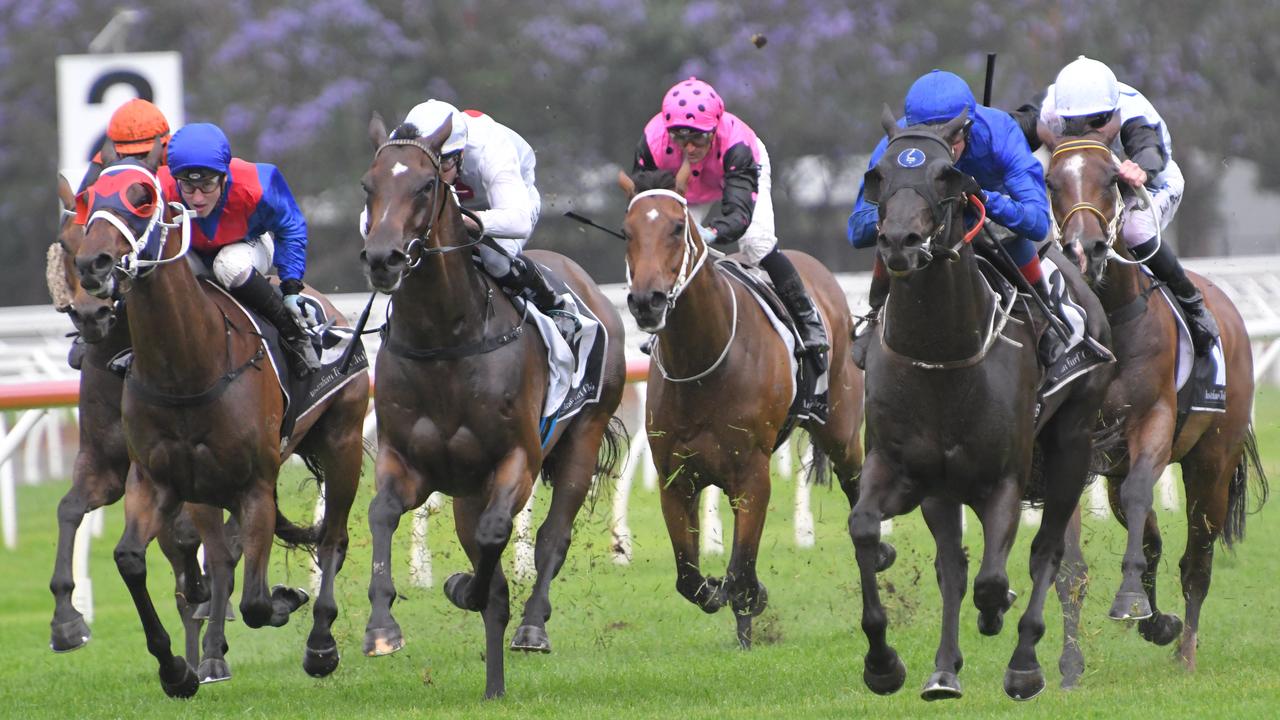
Dutching in Australian Horse Racing: The Smart Punter's Edge or a Fool's Errand?
Let's talk about Dutching. It sounds complex, but the core idea is simple. You're covering multiple horses in a single race to guarantee a profit. Sounds like a magic trick, right? In the high-stakes world of Australian horse racing, from Flemington to Randwick, this strategy has its loyal followers and vocal critics. I've used it. I've won with it. I've also lost patience with it. This isn't theory—it's a practical guide from the trenches.
Is Dutching in Australian Horse Racing Worth It? (The Honest Verdict)
Yes, but with a massive asterisk. Dutching is not a get-rich-quick scheme. It's a meticulous, number-crunching exercise for disciplined punters. If you're looking for the thrill of a long-shot win, walk away now. Dutching is about grinding out consistent, smaller returns. It's a business-like approach to betting. For the right person—someone with patience, a good head for math, and iron discipline—it can be a powerful tool. For everyone else, it's a fast track to frustration.
The Core Advantages (Pros)
Why would anyone bother? The benefits are clear when executed well.
- Risk Management. This is the biggest pro. By backing two or more runners, you spread your liability. A single loss isn't catastrophic. It turns betting from a gamble into a calculated investment.
- Consistent Returns. You're engineering situations for a predictable profit. The goal is to lock in a return regardless of which of your selected horses wins. The volatility of racing smooths out.
- Exploiting Market Inefficiencies. Australian bookmakers often have slight price variations. A sharp eye can find overlays—horses priced higher than their true chance—and use them as the foundation for a profitable Dutch.
It requires a cool head. Much like managing your bankroll when chasing a Divine Fortune real money USA jackpot, discipline is non-negotiable.
The Hidden Drawbacks (Cons)
Now, the cold shower. These are the reasons most punters fail at Dutching.
- It's Labor Intensive. You must calculate stakes for each horse based on shifting odds. Do this manually for every race and you'll burn out. Software helps, but it's still work.
- Lower Profit Margins. You're trading the chance of a big score for a smaller, safer return. A 5% profit is a good result. Many find that payoff underwhelming.
- Everything Can Go Wrong. A late scratching, a steward's inquiry, a sudden downpour changing track conditions—any surprise can blow your carefully calculated book to pieces. You must be ready to adjust instantly.
- It Demands Large Capital. To make the returns meaningful, you need a sizable bankroll. Small stakes yield pennies. This isn't a strategy for $5 bets.
Dutching vs. Other Betting Strategies (The Comparison)
How does it stack up? Let's break it down.
| Strategy | Core Approach | Risk Level | Skill Required | Best For Punters Who... |
|---|---|---|---|---|
| Dutching | Backing multiple horses to secure a fixed profit. | Medium (Managed) | High (Math, discipline) | Value consistency over huge wins. |
| Win Betting | Backing a single horse to win. | Very High | Medium (Form analysis) | Trust their judgement on a single runner. |
| Each-Way Betting | Betting on a horse to win or place. | Medium-High | Medium | Want a safety net on longer odds. |
| Exotics (Quinella, Trifecta) | Predicting the exact finishing order. | Extremely High | High (Luck & analysis) | Chase life-changing payouts. |
Safety First: Protecting Your Bankroll
Dutching is a strategy, not a shield against poor practice. You must pair it with core betting safety rules.
- Only Use Licensed Bookmakers. This is non-negotiable in Australia. Licensed operators guarantee fair odds and secure payouts. It's as critical as checking the license of an online casino accepting CAD or any other real-money site.
- Set a Strict Daily Loss Limit. Before you start, decide what you can afford to lose. Stop immediately if you hit it. The "one more race" mentality is a killer.
- Verify Your Calculations. Use a trusted Dutching calculator. A single input error can turn a winning position into a guaranteed loss.
Common Rookie Mistakes to Avoid
I've made some of these. Learn from them.
- Dutching Too Many Horses. The more horses you add, the thinner your profit margin becomes. You also increase the chance of a late scratching. Stick to 2 or 3 runners max.
- Ignoring Betting Exchange Commissions. If you use Betfair or similar, commission eats into your profit. Your calculations MUST account for it.
- Chasing Losses by Force-Dutching. Not every race is suitable. Forcing a Dutch bet in a race with no value is a surefire way to lose. Wait for the right opportunity.
- Forgetting About Track Bias & Jockey Changes. Your math is based on odds. If the odds don't reflect a key factor (like a jockey switch), your model is flawed. Always layer in your own form analysis.
The Final Call
So, what's the bottom line? Dutching in Australian horse racing is a specialist's tool. It won't make your heart race like a last-stride finish. It's a methodical, sometimes tedious, way to approach the sport. When it works, it feels smart. When it fails, it's often due to human error, not the strategy itself.
If you have the discipline of a chess player and the patience of an accountant, test it with small stakes. Learn the mechanics. If you crave the adrenaline of a big win, you're better off with traditional win bets or even the slot-like thrill of a Sweet Bonanza casino bonus. Dutching isn't for everyone. But for the right punter, it's a legitimate way to play the game.