Card Values In Blackjack: Learn to Play and Win
Introduction
If you’re stepping into the world of blackjack, understanding the card values is your first big step. No matter if you’re just starting or trying to sharpen your skills by 2026, knowing how cards are worth helps you make smarter decisions at the table. It’s simple but powerful. In blackjack, the goal is to beat the dealer without going over 21. But how do your cards translate into chances of winning? That’s what we’ll explore here.
| Characteristic | Description |
|---|---|
| RTP | Typically around 99%, depending on the casino and rules |
| Volatility | Low to medium, depending on your strategy |
| KYC | Know Your Customer procedures may apply when playing online |
| License | Licensed operators ensure fair play and security |
| Wager | Bet sizes vary; responsible wagering is key to consistent wins |
Expert Tip: Master your understanding of card values in blackjack, and you'll find it easier to determine when to hit, stand, or double down. Remember, even the best strategies can be tested—be prepared for a few empty spins along the way.
Main Characteristics and Mechanics of 'Card Values in Blackjack'
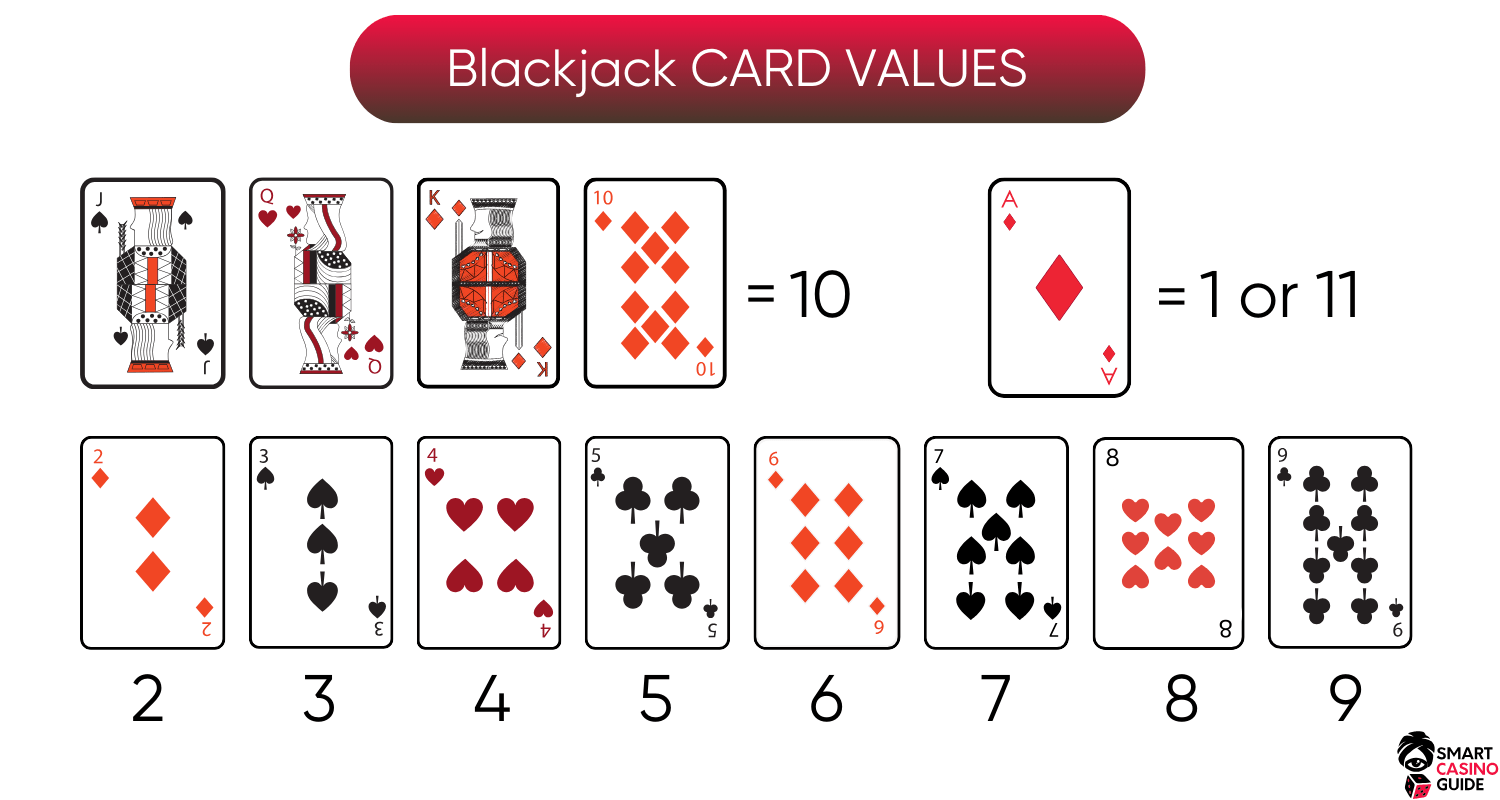
Now, let’s get straight to the point. In blackjack, each card has a specific value that influences your decisions. Here’s the rundown:
- Number cards (2-10): worth their face value. A 2 is 2 points, a 10 is 10 points.
- Face cards (Jack, Queen, King): each worth 10 points. They’re high, but not high enough to scare you off.
- Ace: can be 1 or 11, whichever benefits your hand more. This flexibility is what makes blackjack exciting—and sometimes frustrating.
This mixture of fixed and flexible values creates the strategy backbone. Think about it: Should you hit or stand? Knowing the card values helps you judge whether you’re close to 21 or risking busting.
Remember, in 2026, the online blackjack scene is more competitive than ever. Many sites offer RTPs of around 99%, but volatility can vary. Always check the rules and license of your chosen platform. Responsible wagering and understanding the mechanics are your best tools for consistent wins.
Top Sites/Casinos for Playing (or Criteria for Choosing)
If you’re looking for a good place to practice or play high-stakes blackjack, focus on:
- Licensed operators with transparent payout rates
- Variety of blackjack variants to suit your style
- Secure payment methods, including trusted options like Jammin' Jars 2 usdt casino
- Availability of demo modes, like the nolimit city demo
- Good user reviews and reliable customer support
Step-by-Step Guide: How to Start
- Choose a reputable online casino with proper licenses.
- Create an account and complete KYC procedures if required.
- Deposit funds using your preferred payment method.
- Find blackjack tables or games, such as classic or variants.
- Start with free or demo versions if available to get a feel for the card values and mechanics.
- Apply basic strategy, and remember: knowing when to hit or stand depends heavily on the total of your cards.
Practice makes perfect. Keep an eye on the card values, and don’t get carried away. Strategy is your best friend here.
FAQ
What is the value of an Ace in blackjack?
The Ace can be 1 or 11, depending on what benefits your hand. This dual value makes the Ace a powerful card to have.
What if I get a 10 and a Jack?
This is a blackjack—a perfect 21 with just two cards, usually paying out 3:2. It’s the best starting hand you can get.
Can the card values change during the game?
The values are fixed, except for the Ace, which adapts to your hand. Be strategic about when to hit or stand based on your total.
How does volatility affect my game?
Higher volatility means bigger wins but more empty spins. In 2026, many online sites balance RTP and volatility to keep players engaged.
Conclusion
Understanding card values in blackjack is the foundation for winning. Whether you’re playing at a land-based casino or an online platform, mastering the basics helps you make smarter choices. Remember, blackjack isn’t just luck—strategy and knowledge are your best tools. As the scene gets more competitive by 2026, keep learning, practicing, and applying what you’ve learned. Good luck at the tables!