The Future of the German Online Gambling Market
Introduction: Navigating a New Era for German Gambling
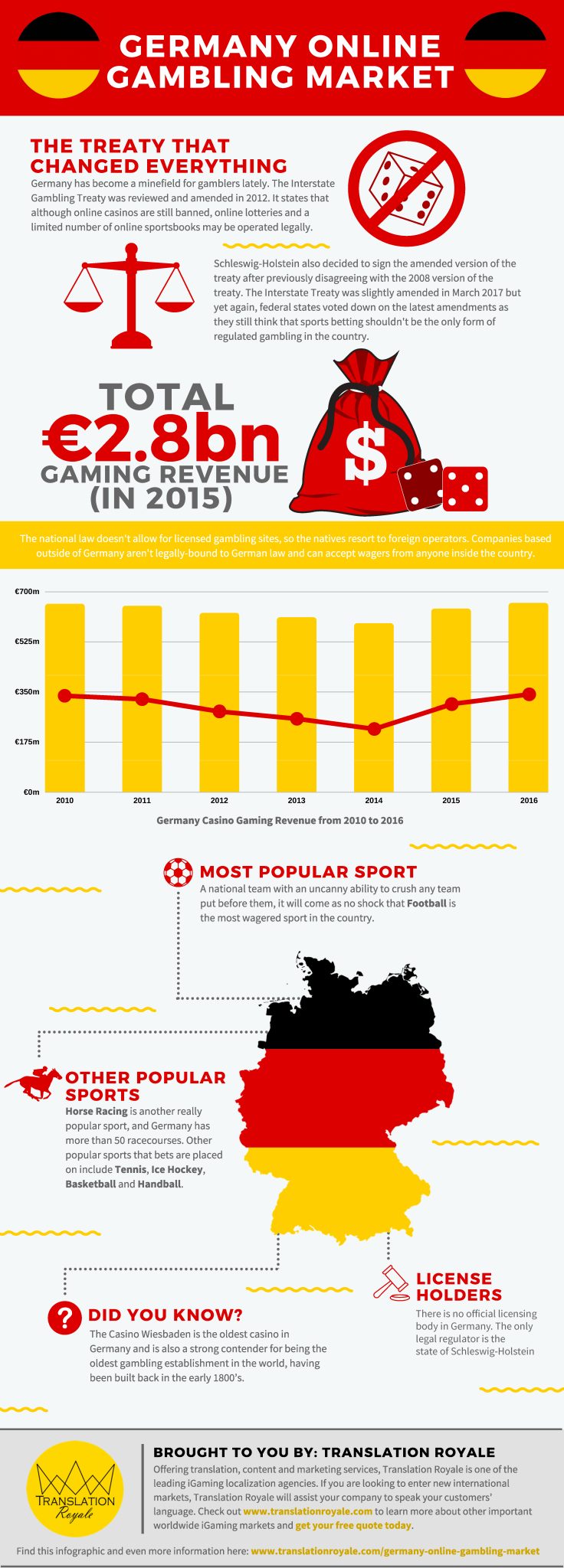
The future of the German online gambling market is being shaped by a transformative regulatory framework that has ended years of fragmentation. The State Treaty on Gambling (Glücksspielstaatsvertrag 2021) has created a unified, regulated environment, setting the stage for a period of significant growth, technological innovation, and enhanced consumer protection. This pivotal shift moves the market from a grey area into a clearly defined legal landscape, attracting licensed operators and demanding a new level of sophistication from all stakeholders. Understanding the trajectory of this evolving sector requires a deep dive into its regulatory pillars, technological drivers, and the changing behaviors of German players. The coming years will be defined by consolidation, competition, and a relentless focus on safe and responsible gaming experiences.
The Regulatory Foundation: Stability and Strict Compliance
The cornerstone of the market's evolution is the established regulatory model. The Interstate Treaty on Gambling provides a federal license for online casino games and virtual slot machines, while sports betting licenses remain under a separate regime. This legalization has not come lightly; it is accompanied by some of the world's most stringent player protection measures.
Key Regulatory Pillars Shaping the Market
Operators must navigate a complex web of requirements to obtain and maintain their licenses. These are not mere suggestions but enforceable conditions that define the operational boundaries.
- A Strict Deposit Limit: A nationwide monthly deposit ceiling of €1,000, adjustable downward by the player, aims to prevent excessive spending.
- Mandatory Player Verification: Rigorous identity checks are required before the first deposit, ensuring access is restricted to adults and excluded individuals.
- Comprehensive Addiction Prevention: Tools like self-exclusion via the national OASIS database, reality checks, and session time limits are mandatory.
- Advertising Restrictions: Regulations limit advertising channels and content, particularly during live sports broadcasts, to reduce exposure.
This framework creates a high barrier to entry, favoring established, compliant operators over unlicensed black-market sites. The ongoing enforcement actions by regulators like the Joint Gambling Authority (GGL) signal a continuous effort to channel players toward the legal, safe market.
Technological Innovation as a Market Driver
In a regulated environment with uniform rules, technology becomes the primary battlefield for differentiation and player engagement. The evolution of Germany's iGaming sector will be inextricably linked to advancements in software, security, and user experience.
Emerging Trends in Player Experience
German players, known for their tech-savviness and demand for quality, will drive adoption of several key innovations.
- Live Dealer Casino Evolution: The demand for authentic, real-time play will push providers to develop more immersive live dealer studios with German-speaking hosts, localized game shows, and enhanced interactive features.
- Mobile-First and App-Centric Platforms: With smartphone penetration near ubiquitous, operators will invest heavily in flawless mobile-responsive sites and dedicated, feature-rich apps that offer a seamless experience on the go.
- Cryptocurrency and Fast Payment Processing: While currently a grey area under strict payment regulations, the global trend toward digital assets may eventually influence the market. Players increasingly value speed and privacy in transactions, a need partially met by services offering a fast ethereum casino withdrawal on international platforms. The domestic market's approach to such innovations remains a key area to watch.
- Artificial Intelligence and Personalization: AI will be leveraged not for marketing overload but for responsible gambling tools—identifying risky behavior patterns—and for curating personalized game recommendations within safe play limits.
The Competitive Landscape: Consolidation and Niche Strategies
The German regulated online gambling scene is witnessing a fascinating clash between international gaming giants and agile, specialized operators. This competition is fueling market maturity and offering players more choice.
Market Leaders and Specialization Opportunities
Large, publicly traded companies with extensive compliance resources were among the first to secure licenses. However, their scale is being challenged by operators who excel in specific niches.
- Sports Betting Dominance: Established sportsbook brands continue to hold significant market share, competing on odds, in-play betting markets, and comprehensive coverage of Bundesliga and other leagues.
- Online Casino and Slot Specialists: Operators focusing on a vast library of slots from top providers, combined with attractive bonus structures compliant with German rules, are capturing dedicated casino audiences.
- The Rise of Localized Content: Success increasingly depends on deep localization—offering customer support in German, using local payment methods like Giropay, and tailoring promotions to German holidays and sporting events.
This dynamic suggests a future where a handful of major players control a large portion of the market, but where successful niche operators continue to thrive by serving specific player segments exceptionally well.
Player Protection and Responsible Gambling as a Core Value
The prospects for online gambling in Germany are uniquely tied to its societal mandate for safety. The regulatory framework embeds player protection into the very fabric of the market, making it a non-negotiable operational cost and a key brand differentiator.
Beyond Compliance: Building Trust with Players
Forward-thinking operators are going beyond the minimum legal requirements. They are integrating responsible gambling messaging into their core UX, training support staff to identify and assist at-risk players, and transparently reporting on their protection measures. This focus on sustainability and corporate duty is reshaping the industry's public image and building long-term player trust, which is essential for stable growth in a sensitive market like Germany.
Practical Guidance for Stakeholders in the German Market
Whether you are a player, an aspiring operator, or an investor, navigating the German internet gambling market outlook requires a clear strategy.
For Players: Choosing a Safe and Enjoyable Platform
- Always Verify the License: Only play on sites displaying a valid license from the GGL (Joint Gambling Authority of the German states). This is your primary guarantee of safety and fair play.
- Utilize the Protection Tools: Actively use deposit limits, loss limits, and self-exclusion options. A reputable operator makes these tools easy to find and use.
- Prioritize Secure Payments: Use trusted, regulated payment methods available in Germany. Be wary of sites pushing unregulated cryptocurrencies or obscure payment processors.
- Read the Terms and Conditions: Understand bonus wagering requirements, withdrawal policies, and account rules specific to the German market.
For Businesses and Investors
Entering the German market is a long-term commitment, not a quick venture.
The high compliance costs and operational complexity act as a significant moat, protecting licensed operators from fly-by-night competition but demanding substantial upfront investment.
Success hinges on securing a license, partnering with software providers experienced in German compliance, and developing a marketing strategy that respects strict advertising guidelines while effectively reaching the target audience.
Frequently Asked Questions (FAQ) About the German Online Gambling Market
What is the current legal status of online casinos in Germany?
Online casino games (like slots, roulette, blackjack) and poker are legal nationwide under a federal license issued based on the State Treaty on Gambling 2021. Operators must hold a license from the German authorities to offer these services legally.
How does the German online gambling market differ from other European markets?
The German market is characterized by its exceptionally strict player protection measures, including a blanket deposit limit, mandatory pre-verification, and tight advertising restrictions. This makes it one of the most regulated but also most stable markets in Europe.
What are the biggest challenges for operators in Germany?
The primary challenges are the high cost and complexity of regulatory compliance, the 5.3% tax on stakes (not GGR) for online slots and poker, which impacts profitability, and intense competition within the confines of strict marketing rules.
Can I use cryptocurrencies like Bitcoin on German gambling sites?
The use of cryptocurrencies on licensed German online gambling sites is currently not standard and exists in a regulatory grey area. The treaty emphasizes traceable payments, which conflicts with the anonymity of many cryptocurrencies. Players should expect licensed sites to offer traditional, regulated payment methods.
What is the role of the Joint Gambling Authority (GGL)?
The GGL is the federal regulatory body responsible for issuing licenses, monitoring compliance, enforcing rules against unlicensed operators, and maintaining the national self-exclusion register (OASIS). It is the central enforcement authority for the market.
Is the sports betting market regulated under the same license as online casinos?
No, sports betting is regulated under a separate, older interstate treaty. While many operators hold both licenses, the regulatory regimes for sports betting and online casino games are distinct in Germany.
What does the future hold for game variety in Germany?
While the current rules restrict certain live dealer game variants, the market is evolving. We can expect continued growth in slot game variety from major providers and gradual, negotiated expansions in other verticals as the market matures and regulators gain confidence in the control systems.
Conclusion: A Market Built on Regulation and Responsibility
The trajectory for the future of the German online gambling market is clear: sustainable growth anchored in robust regulation, advanced technology, and an uncompromising commitment to player safety. The era of ambiguity is over, replaced by a structured environment that protects consumers while offering a legitimate entertainment avenue. For players, this means safer and more transparent gaming experiences. For the industry, it presents a challenging but lucrative opportunity defined by compliance and quality. As the market continues to mature, its success will be measured not just by revenue figures, but by its ability to balance commercial interests with social responsibility—a model that the world will be watching closely. The foundation is set; the next chapter will be written through innovation within boundaries and a shared commitment to a secure gambling ecosystem.